Listen deeply
Your experience is the starting point. We create room for you to be heard without rushing to judgement.
and Psychiatry Counseling Center
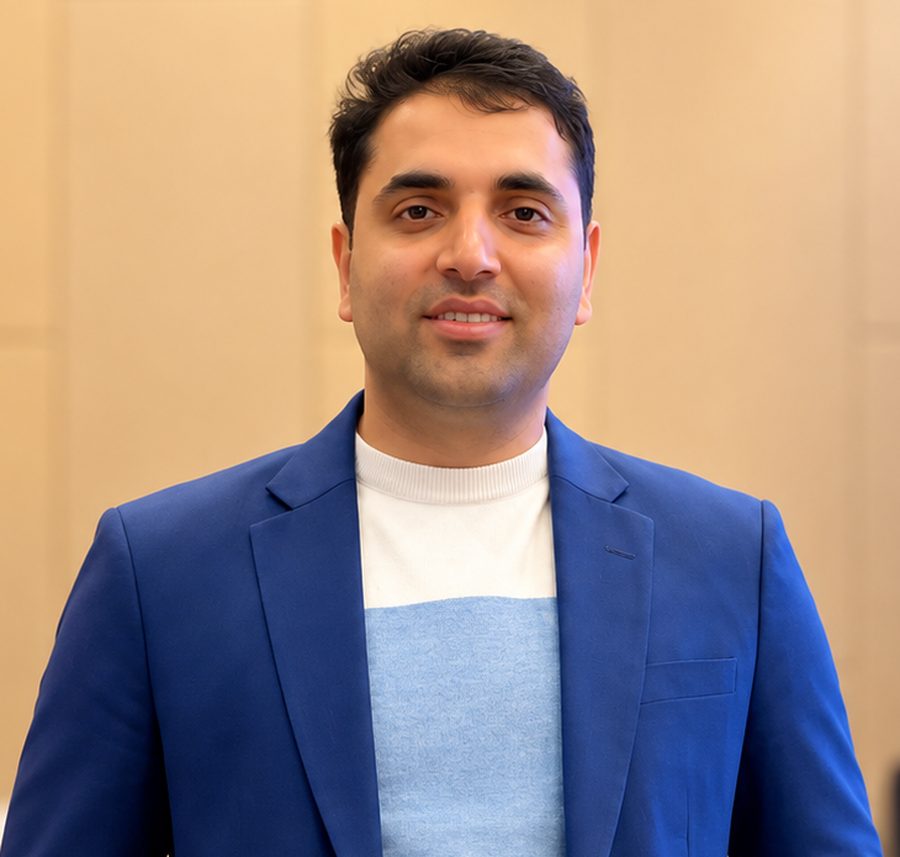 Founded byDr. Kushal KharelConsultant Psychiatrist · NMC No. 27199
Your mind deserves care, too.
Psychiatric care and counselling for depression, anxiety, OCD, sleep problems, ADHD and addiction. Visit us in Kathmandu, or consult any of our three doctors online from anywhere in the world.
Nepali living abroad?Kathmandu Mental Health Clinic and Psychiatry Counseling Center is a psychiatry and counselling clinic in Kathmandu, Nepal. Our psychiatrists and counsellors help adults, teenagers and children with depression, anxiety, OCD, sleep problems, ADHD, addiction and memory concerns. Visit us at People's Plaza (New Road) or Kalanki, or consult online from anywhere in the world.
काठमाडौँ मेन्टल हेल्थ क्लिनिक तथा साइकेट्रिक काउन्सिलिङ सेन्टर: काठमाडौँमा मनोचिकित्सक र मनोपरामर्शकर्ताबाट डिप्रेसन, चिन्ता रोग, प्यानिक अट्याक, अनिद्रा, ओसीडी, एडीएचडी, लत तथा अन्य मानसिक स्वास्थ्य समस्याको उपचार। नयाँ सडक (पिपुल्स प्लाजा) र कलंकीमा भेटघाट, विदेशमा बस्ने नेपालीका लागि भिडियो परामर्श उपलब्ध।
Mental health care should feel human. We take time to listen, understand your story, and build a path forward that feels right for you.
Meet yourself with careYour experience is the starting point. We create room for you to be heard without rushing to judgement.
Evidence-based support, explained clearly and shaped around your needs, goals, and pace.
Small, meaningful steps can create lasting change. You never have to take those steps alone.
Whether you are seeking clarity, coping tools, or a fresh start, support is available. Visit us in Kathmandu, or meet us online.
Comprehensive diagnosis, evaluation, and medical treatment planning by a certified psychiatrist.
Individual counseling for emotional well-being, stress, life transitions, and personal growth.
Specialist care and therapeutic support for clinical depression, bipolar disorder, and mood swings.
Professional care for generalized anxiety, panic attacks, social anxiety, and phobias.
Counseling designed to help professionals and students manage stress, burnout, and mental fatigue.
Structured behavioral counseling and clinical support for obsessive-compulsive disorder and related conditions.
Medical and therapeutic evaluation for chronic sleep problems, insomnia, and sleep disruption.
Professional guidance, assessment, and supportive counseling for addiction and recovery.
Therapeutic support to resolve relationship conflict, improve communication, and restore emotional connection.
Specialized mental health assessment, behavioral guidance, and counseling for children and teens.
Remote psychiatric consultation and online therapy sessions for patients across Nepal.
Assessment and treatment of mental health conditions by a psychiatrist, from first consultation to follow-up.
Care for low mood, constant worry, panic attacks, overthinking, and everyday stress.
Help for people who cannot fall asleep, wake often, or never feel rested.
Treatment for obsessive thoughts and repeated checking, washing, or counting habits.
Assessment and support for ADHD, autism, behaviour and attention concerns, and teenage mental health.
Non-judgemental help to cut down or quit alcohol, tobacco, and drugs, with family support where wanted.
Long-term, steady care for schizophrenia, bipolar disorder, and other serious conditions.
Evaluation of memory loss and mental health support for older adults and their families.
Video consultation with a psychiatrist, or a fresh look at a diagnosis or treatment you already have.
Not sure which service you need? Call us and describe what you are going through. We will point you to the right person.
Kathmandu Mental Health Clinic was founded by Dr. Kushal Kharel. Our psychiatrists work together, so your care stays joined up. All three doctors offer online consultation and therapy, so you can meet any of them from anywhere.
Founder & Consultant Psychiatrist
Dr. Kushal Kharel is the founder of Kathmandu Mental Health Clinic and Psychiatry Counseling Center and a consultant psychiatrist. Dr. Kharel completed an MBBS at Jalalabad Medical College and an MD in Neuropsychiatry at KIST Medical College, and provides cognitive behavioural therapy (CBT) alongside medical assessment and treatment.
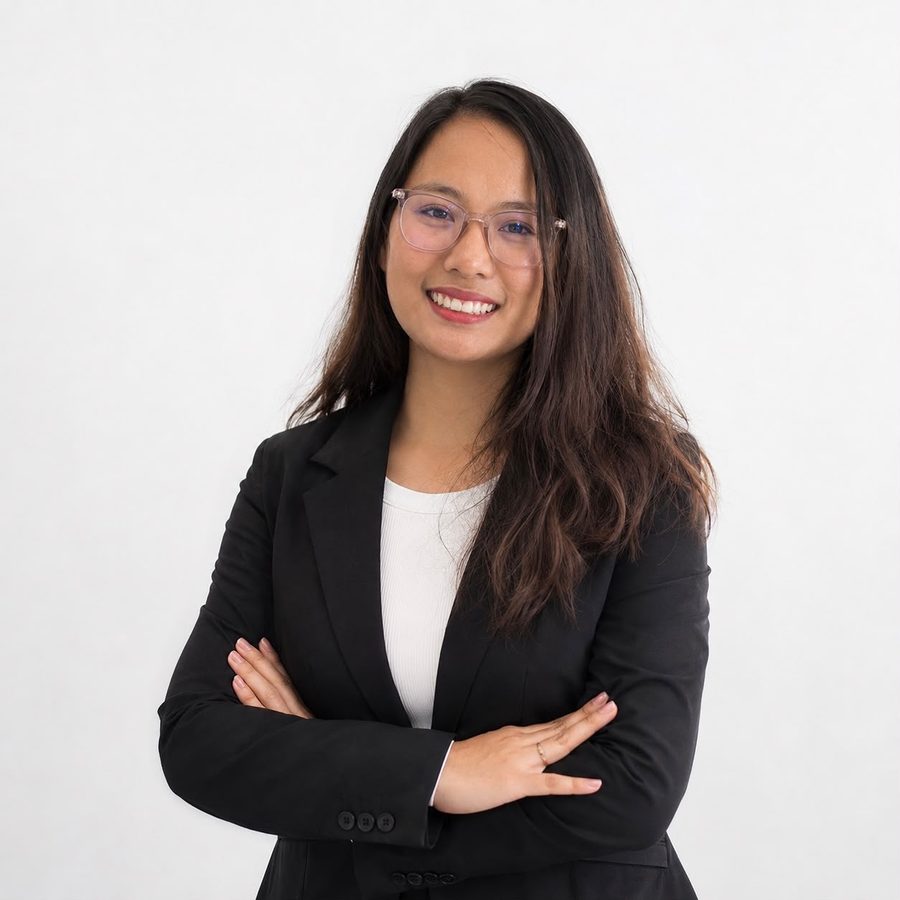
Consultant Psychiatrist
Dr. Sunita Lama is a consultant psychiatrist certified by the Nepal Medical Council, and is also certified in cognitive behavioural therapy (CBT). Dr. Lama brings together medical training in neuropsychiatry and structured CBT skills, so care can include talk therapy, medicine, or both, depending on what helps you.
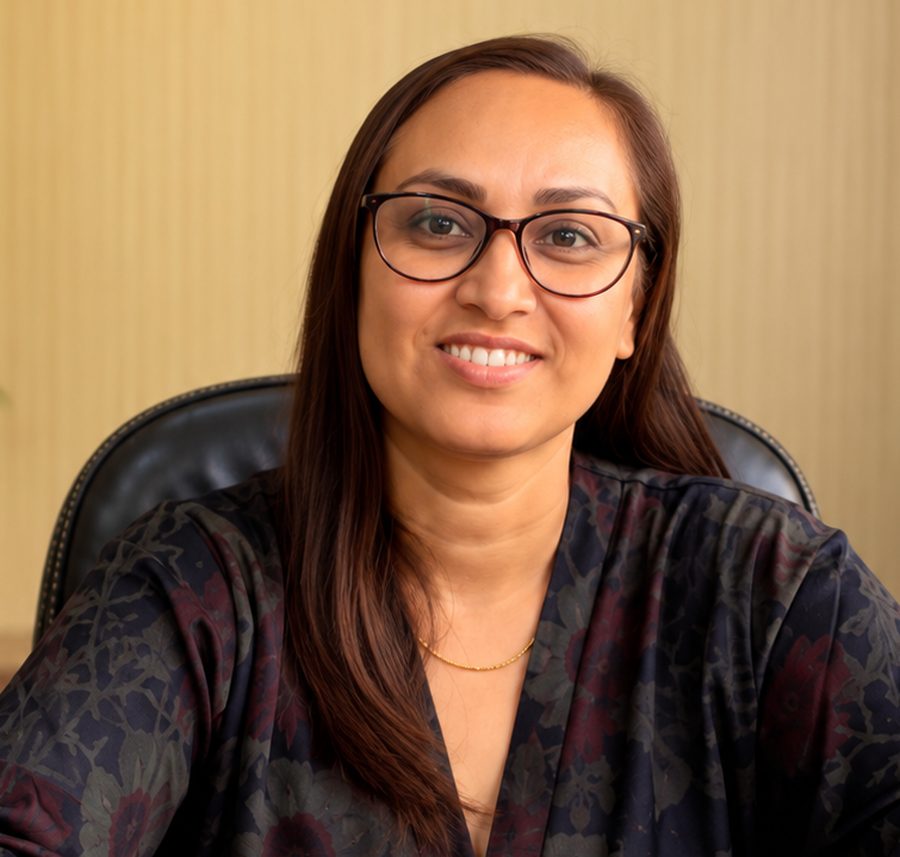
Psychiatrist
Dr. Bhishma K.C. is a psychiatrist with an MBBS from Nepal Medical College and an MD in Neuropsychiatry from KIST Medical College. Dr. K.C. offers medical assessment, treatment planning and cognitive behavioural therapy (CBT), so care can include talk therapy, medicine, or both, depending on what helps you.
Living, studying or working outside Nepal? All three of our doctors provide online consultation and therapy by private video call, in Nepali or English, at a time that works in your time zone. Whether you are in Doha, Dubai, Kuala Lumpur, Tokyo, Sydney, London or New York, support is one call away.
Call or message us. Tell us your country, your preferred language, and what has been troubling you. A few words is enough.
We look for a slot that suits your time zone and your shifts. Use the time finder below to see what works.
You receive a private link. Your first session is a full assessment, and you leave with a clear plan.
Follow-ups by video, and in person whenever you are back in Nepal. Care that stays with you, wherever you live.
Drag the slider to pick a time in Kathmandu and see what time it is where you live. Nepal is at UTC+5:45 all year, with no daylight saving. comfortable hours early or late
Your country is not listed? We see Nepalis in every time zone. Message us and we will find a time.
Missing family, food, festivals and the feeling of belonging, especially when weeks turn into years.
Long shifts, heat, pressure from employers and money worries in the Gulf, Malaysia, Korea, Japan and beyond.
Exams, visa worries, language barriers and loneliness for students far from home.
Night shifts, jet lag and worry that will not switch off. Help to rebuild healthy sleep.
Constant worry, panic attacks and racing thoughts about work, money, family and the future.
Feeling flat, empty or hopeless. Specialist assessment and support without waiting to “be strong”.
Long-distance marriages, worry about parents, and parenting from afar.
Loss is heavier when you could not be there for a funeral, a wedding or a farewell.
Confidential help to cut down or stop, away from judgement and gossip.
Yes. All three of our doctors provide online consultation and therapy, so you can meet them by private video call from anywhere with a reliable internet connection, in Nepali or English. It is designed for Nepalis living, studying or working overseas.
Nepalis anywhere in the world. Many people who reach out live in Qatar, the UAE, Saudi Arabia, Kuwait, Malaysia, Japan, South Korea, Australia, the United Kingdom, Europe, the USA and Canada, but you do not need to be in one of these countries.
You book by phone or WhatsApp, we agree a time in your time zone, and you receive a private video-call link. On the day, join from your phone, tablet or computer. Your first session is a full assessment, and we agree on a plan together at the end.
A phone, tablet or computer with a camera and microphone, a stable internet connection, and a quiet, private place. Headphones help you hear clearly and keep the conversation private. Have a phone number ready as a backup in case the video drops.
Nepal is at UTC+5:45. Use the time finder above to see what a Kathmandu time means where you live, then tell us which hours are best for you, including after night shifts or before work. We will offer the closest slot we have.
Medicine rules differ from country to country, and a prescription from Nepal is generally not valid abroad. In your session, the doctor will explain what is possible in your situation. Where medicine is needed, we can help you prepare a clear summary to share with a doctor in your country, and we work with therapy and practical strategies in the meantime.
Yes. Tell us your shift pattern and we will look for a time that fits, even if it is late at night or early morning in Nepal. If privacy in shared accommodation is difficult, mention it when booking and we will plan the session around it.
For many people with depression, anxiety and stress, video therapy works about as well as face-to-face sessions. Some situations, such as a severe crisis or a need for a physical examination, need in-person or local care. Your doctor will tell you if that applies to you.
We share the fee and the available payment options when you book, before your session. If it is easier, a family member in Nepal can arrange payment for you; just ask us when you book.
Yes. Online sessions are as confidential as in-clinic visits, and we share nothing with anyone without your permission. Choose a private place and use headphones so you can speak freely.
Yes, if you would like. Parents, a spouse or a partner can join by video from Nepal or another country, which can be especially helpful for couples living far apart or when a family member is worried about you.
They can call us to ask questions and arrange an appointment. As an adult, you need to agree to take part in the session yourself, and what you share stays private unless you decide otherwise.
If you are in danger or thinking of ending your life, call your local emergency number now (for example 911 in the USA and Canada, 999 in the UK, Qatar and the UAE, 000 in Australia, 112 in Europe), or call a crisis line: 988 in the USA, 9-8-8 in Canada, Samaritans 116 123 in the UK, Lifeline 13 11 14 in Australia. Find other countries at findahelpline.com. Then reach out to us or someone you trust. You do not have to face this alone.
Homesickness is a normal response to living far from family. It is worth talking to someone if it lasts for weeks and comes with low mood, poor sleep, loss of interest, isolation or constant worry. Early support usually makes things easier.
Yes. Students often face study pressure, culture shock, money worries and loneliness far from home. We offer counselling and, where needed, psychiatric assessment, in Nepali or English, at times that fit around your classes.
Yes. Sessions can be held in English. We understand Nepali family expectations and culture, which many people find helpful when talking about family, identity and belonging.
Yes. You can visit us in person at People's Plaza or Kalanki, and then continue with follow-ups online after you return. It helps to book ahead so we can reserve a suitable time during your trip.
Where it is clinically appropriate and you ask for it, your doctor can prepare a summary of your assessment and treatment. Whether another doctor, employer or university accepts it is decided by that organisation.
We will try to reconnect straight away. If the connection keeps failing, we can continue by phone call. That is why we ask you to share a backup phone number when you book.
Yes. Speaking in your own language makes it easier to describe how you really feel, and this matters a great deal in mental health care. You can use Nepali, English, or a mix of both.
In crisis abroad? This clinic is not an emergency service. Call your local emergency number now. Helplines by country: findahelpline.com · befrienders.org.
It is a psychiatry and counselling clinic in Kathmandu, Nepal. Psychiatrists and counsellors here care for adults, teenagers and children with depression, anxiety, OCD, sleep problems, ADHD, addiction, memory problems and more. You can visit us in person at People's Plaza (New Road) or Kalanki, or meet us online by video from anywhere in the world. The clinic was founded by consultant psychiatrist Dr. Kushal Kharel, and all three of our doctors offer online consultation and therapy.
Call 9714556408 or message us on WhatsApp. Tell us briefly what is troubling you, whether you prefer to come in person or online, and a time that suits you. We will confirm the location, doctor and time. You do not need to explain everything on the phone.
No. You can book directly with us. Doctors, schools, counsellors and family members are also welcome to suggest that you come, but a referral letter is not required.
Your first visit is a conversation, not a test. The doctor listens to what you are going through, asks about your sleep, mood, stress, health and family, and then explains in plain words what may be happening. Together you agree on a plan: counselling, medicine, or both. Nothing is started without your understanding and agreement.
A psychiatrist is a medical doctor who can diagnose mental health conditions, prescribe medicine and also offer therapy. A counsellor or psychologist provides talk therapy and cannot prescribe medicine. If you are unsure, start with a consultation: we will tell you honestly which one you need, and many people benefit from both working together.
Children, teenagers, adults and older adults, as well as couples and families. You can come alone or bring someone you trust. Parents or guardians can book for a child and join the first visit.
The fee depends on the doctor and the type of visit, such as a first assessment, counselling session or online consultation. We tell you the fee before you book, so there are no surprises. Call 9714556408 to ask.
No. If you or someone else is in immediate danger, call Nepal Police on 100, an ambulance on 102, or the national suicide prevention helpline 1166, or go to the nearest hospital emergency department. If you are in another country, call that country's emergency number.
We have two locations in Kathmandu: Dev Plaza, People's Plaza, New Road (नयाँ सडक), and Kalanki Bhatbhateni. Call 9714556408 to confirm which location suits you and which doctor is available. You can also open People's Plaza in Google Maps.
The clinic is open on Saturdays from 5:00 AM to 11:00 PM. Because doctors' schedules differ by location and day, please call 9714556408 to confirm the time before you come. We are not a 24-hour service.
An initial assessment takes longer than a routine follow-up because it involves a fuller history, and the exact time varies with the complexity of your concerns. Ask when you call to book if you need to plan your day around it.
We aim for a full conversation about your main concern, history and goals, not a quick prescription-only visit. First assessments in particular take the time needed to understand the whole picture before you and the doctor agree on a plan.
Most patients in Nepal pay directly, because insurance cover for psychiatric consultations, therapy and medicine is limited and inconsistent. If you have insurance, check with your provider what it covers before you start, and ask us about payment when you book.
Kathmandu Mental Health Clinic has two locations, People's Plaza (New Road) and Kalanki Bhatbhateni, and patients also come from across the Kathmandu Valley, including Lalitpur, Bhaktapur and Balkot. If travel is difficult, all three of our doctors consult online. Call 9714556408 to book, or read our guide to finding a psychiatrist near you.
No. We are an outpatient psychiatry and counselling clinic, and we are not an emergency service. If someone needs hospital admission, our doctors will explain why and advise where to go. See mental hospital or clinic: choosing the right level of care.
We see patients in person at People's Plaza (New Road) and Kalanki in Kathmandu, and people travel to us from across the valley, including Lalitpur, Bhaktapur and Balkot. Online consultation is available across Nepal and worldwide, in Nepali or English.
Yes. Our doctors see patients in Nepali or English, and you can describe how you feel in your own language. You can also read our Nepali guide, मानसिक स्वास्थ्य: लक्षण, कारण र उपचार.
Kathmandu Mental Health Clinic was founded by Dr. Kushal Kharel, a consultant psychiatrist registered with the Nepal Medical Council (NMC No. 27199). Dr. Kharel completed an MBBS at Jalalabad Medical College and an MD in Neuropsychiatry at KIST Medical College, and works with Dr. Sunita Lama and Dr. Bhishma K.C., who are also NMC-registered psychiatrists.
Our doctors are Dr. Kushal Kharel, the founder of the clinic, Dr. Sunita Lama and Dr. Bhishma K.C. All three are registered with the Nepal Medical Council, hold an MD in Neuropsychiatry and provide cognitive behavioural therapy (CBT), both in person and online; Dr. Lama is also formally certified in CBT. Dr. Kharel completed an MBBS at Jalalabad Medical College and an MD at KIST Medical College. Dr. Lama completed an MBBS at Jalalabad Medical College and an MD at Gandaki Medical College. Dr. K.C. completed an MBBS at Nepal Medical College and an MD at KIST Medical College. Read more in the Our doctors section.
Dr. Kushal Kharel is registered under NMC No. 27199, Dr. Sunita Lama under NMC No. 26944, and Dr. Bhishma K.C. under NMC No. 21985. You can confirm any registration with the Nepal Medical Council.
There is no official ranking of the "best" psychiatrist, because that is a search phrase, not a clinical credential. A sensible way to choose is to look for a Nepal Medical Council-registered psychiatrist with relevant experience and a communication style that suits you. Our doctors, Dr. Kushal Kharel (NMC No. 27199), Dr. Sunita Lama (NMC No. 26944) and Dr. Bhishma K.C. (NMC No. 21985), are all NMC-registered and hold an MD in Neuropsychiatry. You can compare their backgrounds in the Our doctors section, or read our guide to choosing the best psychiatrist in Kathmandu.
Dr. Kushal Kharel is the founder of Kathmandu Mental Health Clinic and a consultant psychiatrist registered with the Nepal Medical Council (NMC No. 27199). Dr. Kharel completed an MBBS at Jalalabad Medical College and MD training in Neuropsychiatry at KIST Medical College Teaching Hospital (2023 to 2026). Earlier posts include medical officer at Kantipur Hospital (2020 to 2021), Patan Hospital (2021 to 2022) and Kathmandu ENT Hospital (2022 to 2023).
Look for a Nepal Medical Council-registered psychiatrist who takes time to listen and explains the plan clearly. At Kathmandu Mental Health Clinic, our NMC-registered doctors assess anxiety and depression and treat them with counselling and psychotherapy, medicine, or both, in person in Kathmandu or online. Call 9714556408 to book.
Neuropsychiatry is the branch of psychiatry that focuses on mental health conditions linked to the structure and function of the brain, such as dementia, delirium, and psychiatric symptoms that arise from neurological conditions. It bridges psychiatry and neurology. All three of our doctors hold an MD in Neuropsychiatry.
A psychiatrist in Nepal is a medical doctor who diagnoses and treats mental health conditions such as anxiety, depression, OCD, bipolar disorder, schizophrenia, ADHD and addiction. At our clinic, psychiatrists provide assessment, diagnosis, medicine management and psychotherapy, in person in Kathmandu or online.
Our doctors are psychiatrists, meaning medical doctors who specialise in diagnosing and treating mental health conditions. They are not general physicians for physical illnesses, injuries or routine check-ups. If you need a general physician, we can point you towards suitable general medical care in Kathmandu.
Yes. Tell us your preference when you book and we will do our best to arrange it. Many people speak more openly with someone they feel comfortable with, and that helps the care.
Yes. Consultations are designed so that you understand what a diagnosis means, why a particular medicine or therapy is suggested, what the alternatives are, which side effects to watch for, and when the plan will be reviewed. You take part in the decision rather than simply receiving instructions.
Our doctors are psychiatrists who also provide therapy, including cognitive behavioural therapy (CBT) and supportive counselling, alongside medical care. If a specialised therapy would suit you better, we can refer you to a clinical psychologist. Read who to see: psychiatrist, psychologist, therapist or counsellor.
We treat depression, anxiety, panic attacks, OCD, sleep problems and insomnia, stress and burnout, bipolar disorder, schizophrenia and other serious mental illness, ADHD and autism concerns in children, alcohol, tobacco and drug addiction, memory problems in older adults, and relationship or family difficulties. If your concern is not on this list, call us and we will tell you whether we can help.
Not always. Many people improve with counselling and practical changes alone. When medicine can help, the doctor explains what it is for, how long it takes to work, possible side effects and how long you may need it, and you decide together.
Most commonly used medicines, including antidepressants, are not addictive in the way people fear. A few, such as some sleeping and anti-anxiety tablets, can cause dependence if taken for long, so doctors use them carefully and usually for a short time. Never stop a prescribed medicine suddenly on your own; ask your doctor how to reduce it safely.
It depends on the problem. Everyday stress or a difficult life event may improve in a few sessions. Depression and anxiety often need weeks to months, and antidepressants usually take two to six weeks to show their full effect. Long-term conditions such as bipolar disorder or schizophrenia need ongoing care, much like diabetes or blood pressure.
Sadness passes; depression stays. If most days for two weeks or more you feel low or empty, have lost interest in things you used to enjoy, and also notice changes in sleep, appetite, energy or concentration, or feel hopeless, it is time to see a doctor. If you have thoughts of harming yourself, seek help immediately.
Anxiety can feel like constant worry, overthinking, restlessness, a racing heart, sweating or trouble sleeping. A panic attack brings sudden, intense fear with chest tightness, breathlessness, shaking or dizziness, usually peaking within minutes. Panic attacks are frightening but treatable. If chest pain is new, get it checked medically as well.
See a doctor if trouble sleeping lasts more than three to four weeks, or if it affects your mood, work, studies or health. Poor sleep is often linked with stress, anxiety, depression or medical causes, and treating the cause works better than only taking sleeping tablets.
Yes. We assess and support children and teenagers with ADHD, attention and behaviour concerns, autism, school stress, anxiety, low mood and exam pressure. A parent or guardian joins the first visit, and we involve the family throughout.
Yes. We offer confidential assessment, counselling and medical guidance for alcohol, tobacco and drug use, without judgement. Families are welcome to take part, and we will tell you honestly if a higher level of care, such as a hospital stay, is needed.
Yes. Forgetfulness can be a normal part of ageing, but it can also be a sign of dementia, depression or a treatable medical problem such as a vitamin or thyroid issue. We assess memory and mood, explain the findings to the family in plain language, and guide you on care and support.
Yes. Our severe mental illness care covers schizophrenia, bipolar disorder, delusions, hearing voices and severe suspiciousness. With regular treatment and family support, many people live steady, meaningful lives, so early and continuous care matters.
Listen without judging, and avoid saying "just be strong" or "think positive". Gently suggest seeing a doctor and offer to go with them. Asking directly whether they have thoughts of ending their life does not put the idea in their mind, and it can save a life. You are welcome to call us for guidance.
Yes. All of our doctors provide cognitive behavioural therapy (CBT) and supportive counselling, in person or online, alongside medical assessment and medicine when appropriate, and Dr. Sunita Lama is also formally certified in CBT. If a specialised therapy would suit you better, we can refer you to a clinical psychologist.
See a psychiatrist when emotional, behavioural or thinking symptoms, such as low mood, excessive worry, sleep problems, trouble concentrating, or unusual thoughts or experiences, last more than a few weeks and affect your daily life, work or relationships. If you have thoughts of harming yourself, seek help immediately.
Yes. Most mental health conditions, including depression, anxiety disorders, bipolar disorder, OCD and schizophrenia, respond well to evidence-based treatment that combines medicine, psychotherapy and lifestyle support, especially when they are diagnosed early and treated consistently.
When prescribed and monitored by a qualified psychiatrist, psychiatric medicines are generally safe and effective. Like all medicines they can have side effects, which is why regular follow-up and open communication with your doctor matter.
Like all medicines they can cause side effects, but the risk is often overstated. Most people tolerate modern psychiatric medicines reasonably well, side effects are explained before you start, and the choice, dose and monitoring are tailored to you to keep them as low as possible while still treating the condition.
Not necessarily. It depends on the condition, its severity and how you respond. Many people take medicine for a set period alongside therapy and later reduce it under medical supervision, while people with longer-term or recurring conditions may benefit from continuing for longer. Your doctor reviews this with you regularly rather than deciding once and leaving it unchanged.
Yes. Our psychiatrists assess ADHD in adults as well as in children and teenagers, using a detailed history and questionnaires, and discuss treatment that may include practical strategies, treatment of related conditions and, for some people, medicine. Read our guide to adult ADHD in Nepal.
Yes. Anxiety triggers the body's alarm system, which can cause tingling or numbness, a pounding heart, dry mouth, frequent urination, sweating and a warm feeling. New or severe symptoms should still be checked by a doctor, because other conditions can look similar. See anxiety symptoms in the body.
Doctors commonly use antidepressant-type medicines such as SSRIs, which take a few weeks to work, and sometimes short-term sedatives, which can cause dependence and are used carefully. The right choice depends on you, so never start, stop or share anxiety medicine without a doctor's advice. Read about anxiety treatment and medicine in Nepal.
OCD is usually treated with cognitive behavioural therapy using exposure and response prevention (ERP), often together with medicine such as an SSRI. Treatment brings large improvement for many people. Read our OCD treatment guide.
Treatment starts with better sleep habits, cognitive behavioural therapy for insomnia (CBT-I) and treating any cause such as anxiety or depression. Sleeping tablets are used cautiously and only for a short time because they can cause dependence. Read our insomnia guide.
Seek help when a problem lasts, gets worse, or affects school, friendships or family life, for example attention or behaviour difficulties, school refusal, persistent worry or low mood, delayed speech or social difficulties. Talk of self-harm needs urgent attention. Read when to see a child psychologist or psychiatrist.
Yes. All three of our doctors provide online consultation and therapy, by video call (for example Google Meet) or by phone, is available for patients anywhere in Nepal and for Nepalis living abroad. It suits follow-up appointments and many first assessments. Urgent or complex situations may still need an in-person or emergency evaluation.
Yes, where it is clinically appropriate and in line with standard telepsychiatry practice. Some situations still need an in-person follow-up. A prescription issued in Nepal cannot generally be used abroad, so if you live overseas your doctor will discuss the options with you.
In-person visits are generally advised for severe symptoms, safety concerns, a complex first assessment, or situations that need a physical examination, so that the doctor can evaluate you thoroughly.
Yes. Your conversations and records are confidential. We do not share anything with your family, employer or school without your permission, except in the rare situation where someone's life is at serious risk or the law requires it.
This is one of the most common worries in Nepal, and you are not alone. Mental health conditions are medical conditions, as real as diabetes or asthma. Your visit is private, you choose who knows, and many people quietly come for help and feel relieved that they did.
Yes, if you want them to. Family can join part or all of a session, in the clinic or online. Some people prefer to come alone first. It is your choice, and we respect it.
Your visit is confidential, and we do not send reports to anyone unless you ask us to. If you need a letter, for example for an employer or a university, talk to your doctor about what is appropriate. Requirements for visas and medical checks differ by country, so check with the relevant authority.
Yes. Consultations are confidential and non-judgemental, whether the concern is addiction, relationship difficulty, sexual health, a parenting worry or anything else that feels hard to say aloud. You do not need to have the right words prepared before you book.
Bring any previous prescriptions, medical reports or test results, the names of medicines you take now, and a photo ID if you have one. It also helps to jot down your main worries and when they started. If you cannot bring anything, come anyway.
Yes. After a first assessment, many follow-ups can be done by video, which is convenient if you live outside Kathmandu or are travelling. Your doctor will tell you when an in-person visit is better.
Yes. Bring your reports and prescriptions, and a psychiatrist will review them with you, in person or online. A second opinion never means you have to change doctors.
No. Do not stop or change any medicine on your own before the visit. Bring a list of what you take, or the medicines themselves, so the doctor can review them with you. Any changes are made as part of a proper assessment.
No questions match your search. Call us or message us on WhatsApp and we will be happy to answer.
Still have a question? Ask us directly. We reply in Nepali or English.
Page last updated September 2026. This information is general and does not replace advice from a doctor.
Plain-language guides from Kathmandu Mental Health Clinic: how to choose a psychiatrist, what anxiety and OCD feel like, mental hospital or clinic, and more. One guide is in Nepali.
Searching for the best psychiatrist in Kathmandu or Nepal? Use this checklist: NMC registration, training, approach, language, fees and follow-up.
Read guide Choosing careFind a psychiatrist near you in Kathmandu: clinic locations at People's Plaza and Kalanki, online consultation across Nepal, what to bring and what to expect.
Read guide AnxietyWhy anxiety causes tingling legs, a pounding heart, dry mouth and frequent urination, how to tell it from other illnesses and when to see a psychiatrist.
Read guide Choosing careMental hospital or clinic in Kathmandu? Learn when an outpatient psychiatrist is enough, when hospital care is needed and what to do in an emergency.
Read guide ADHDAdult ADHD in Nepal: common signs, how psychiatrists assess it, treatment options and coping strategies. Learn when to see an ADHD specialist in Kathmandu.
Read guide मानसिक स्वास्थ्यमानसिक स्वास्थ्य भनेको के हो? डिप्रेसन, चिन्ता, ओसीडी र अनिद्राका लक्षण, कारण, उपचार र काठमाडौँमा मनोचिकित्सकसँग कहिले परामर्श गर्ने भन्ने जानकारी।
पढ्नुहोस्Kathmandu, Nepal
Kathmandu Mental health Clinic and Psychiatry counseling Center is here when you are ready to begin. Choose the location that is most convenient for you, then call to confirm your visit. Patients come to us from across the Kathmandu Valley, including Lalitpur, Bhaktapur and Balkot, and all three of our doctors also consult online.
5:00 AM – 11:00 PM · Open all day
Your next step can be small
Call the clinic to ask a question or arrange your first consultation, in person or online.
Please note: this is not an emergency service. If you are in immediate danger, contact local emergency services or someone you trust. In Nepal: Police 100 · Ambulance 102 · Suicide prevention helpline 1166.